Agriculture Courses
Agriculture courses can help you learn crop management, soil health, pest control, and sustainable farming practices. You can build skills in precision agriculture techniques, data analysis for yield optimization, and effective resource management. Many courses introduce tools like GIS software for mapping land use, drones for monitoring crops, and data analytics platforms to track agricultural trends.
Popular Agriculture Courses and Certifications
University of Illinois Urbana-Champaign
Skills you'll gain: Land Management, Supply Chain, Food and Beverage, Environmental Issue, Supply Chain Systems, Transportation, Supply Chain, and Logistics, Supply Chain Management, Supply Chain Planning, Production Process, Production Planning, Supply And Demand, Production Management, Environment and Resource Management, Market Dynamics, Economics, Resource Utilization, Technology Solutions, Consumer Behaviour, Emerging Technologies

Tel Aviv University
Skills you'll gain: Scientific Methods, General Science and Research, Science and Research, Biology, Sensory Systems Analysis, Research, Life Sciences, Experimentation, Psychology, Molecular Biology, Environment, Physiology, Neurology, Cell Biology
University of Illinois Urbana-Champaign
Skills you'll gain: Infectious Diseases, Infection Control, Microbiology, Pathology, Preventative Care, Environmental Monitoring

University of Illinois Urbana-Champaign
Skills you'll gain: Land Management, Water Resources, Risk Management, Real Estate, Legal Risk, Water Sustainability, Water Resource Management, Balance Sheet, Food and Beverage, Supply Chain, Environmental Social And Corporate Governance (ESG), Investments, Property and Real Estate, Environmental Issue, Risk Control, Risk Mitigation, Sustainable Systems, Asset Management, Financial Analysis, Sustainability Standards
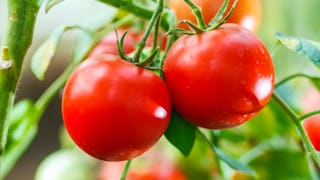
University of Minnesota
Skills you'll gain: Adaptability, Planning, Plant Operations and Management, Land Management, Environment and Resource Management, Decision Making, Life Sciences, Productivity
University of Illinois Urbana-Champaign
Skills you'll gain: Land Management, Legal Risk, Financial Analysis, Decision Making, Sustainability Standards, Property and Real Estate, Risk Management, Risk Analysis, Sustainable Systems, Policy Analysis, Research, and Development, Lease Contracts, Environment and Resource Management, Production Process, Cash Flows, Market Dynamics
What brings you to Coursera today?
University of Illinois Urbana-Champaign
Skills you'll gain: Environmental Social And Corporate Governance (ESG), Food and Beverage, Sustainable Systems, Consumer Behaviour, Sustainable Development, Sustainability Standards, Environment and Resource Management, Food Safety and Sanitation, Climate Change Adaptation, Socioeconomics, Climate Change Mitigation, Environmental Policy, Economics, Packaging and Labeling, Public Policies, Economic Development, Emerging Technologies, Policy Analysis, Biotechnology

Explore what's possible with IBM

Multiple educators
Skills you'll gain: Sustainable Design, Sustainable Technologies, Packaging and Labeling, Human Centered Design, Sustainable Engineering, Sustainable Business, Environmental Regulations, Sustainability Standards, Design Thinking, Strategic Leadership, Product Development, Organizational Leadership, Product Design, Business Leadership, Sustainable Development, Regulatory Compliance, Waste Minimization, Environmental Laws, Corporate Sustainability, Product Lifecycle Management

University of Illinois Urbana-Champaign
Skills you'll gain: Environmental Policy, Sustainable Development, Environment, Water Resources, Environmental Issue, Demography, Energy and Utilities, Environmental Science, Environment and Resource Management, Sustainability Standards, Water Resource Management, Policy Analysis, Natural Resource Management, Social Sciences, Human Development, Climate Change Adaptation, Climate Change Mitigation, Economics
University of Illinois Urbana-Champaign
Skills you'll gain: Real Estate, Balance Sheet, Investments, Property and Real Estate, Land Management, Risk Management, Asset Management, Financial Analysis, Investment Management, Financial Statements, Portfolio Management, Financial Market, Commercial Lending, Tax, Return On Investment, Tax Planning

University of Illinois Urbana-Champaign
Skills you'll gain: Nutritional Assessment, Predictive Analytics, Machine Learning Methods, Maternal Health, Machine Learning, Diagnostic Tests, Health Systems, Operating Cost, Nutrition and Diet, Market Dynamics, Water Resources, Food Safety and Sanitation, Manufacturing and Production, Behavioral Economics, Business Economics, Environment, Molecular Biology, Production Management, Consumer Behaviour, Molecular, Cellular, and Microbiology

University of Florida
Skills you'll gain: Climate Change Mitigation, Land Management, Sustainable Development, Sustainable Systems, Environment and Resource Management, Natural Resource Management, Environmental Resource Management, Environmental Science, Climate Change Adaptation, General Science and Research, Research, Biology
What brings you to Coursera today?
In summary, here are 10 of our most popular agriculture courses
- Supply Chain of Agriculture: University of Illinois Urbana-Champaign
- Understanding Plants - Part I: What a Plant Knows: Tel Aviv University
- Pest & Disease Management: University of Illinois Urbana-Champaign
- Agribusiness and Sustainable Food Production Economics: University of Illinois Urbana-Champaign
- A Guide to Garden Plants: University of Minnesota
- Risks to Crop Production in Agriculture: University of Illinois Urbana-Champaign
- Modern Issues in Food & Agriculture: University of Illinois Urbana-Champaign
- Sustainable and Circular Product Development: University of Colorado Boulder
- Introduction to Sustainability: University of Illinois Urbana-Champaign
- Agriculture as an Asset Class: University of Illinois Urbana-Champaign










